General information about fitness after childbirth
To get back into exercise after pregnancy, there are a few things to keep in mind. Generally, please consult trainers who are familiar with the changes that occur during pregnancy and childbirth. If possible, always start with a designated/certified postpartum recovery course (led by a midwife or other specialist).
After that, there are fitness training programs specifically designed for postpartum women. Which focus suits you best depends somewhat on your starting point and which fitness goals are important to you. In any case, consideration should be given to weakened or even injured muscles.
These physical changes are normal. Everything's fine!
The body accomplishes an incredible amount during pregnancy and childbirth. You shouldn't have to restrict yourself more than necessary. After successful postpartum recovery training, many things become possible again. And yet: Every woman goes through different experiences and changes. From abdominal muscle weakness, lacerations, weight fluctuations, psychosocial changes, neck pain, or muscle shortening. There are a few points you should really consider before you start. Make sure you regularly check with your midwife or doctor to see if, for example, a diastasis recti has closed. If possible, also inform your trainer about any specific complaints on a medical history form.
Find your favorite workout.
After postpartum recovery, women and new mothers have a wide range of options for exercising to improve their fitness and stay physically active. Here are some sports and providers in German-speaking countries:
1. Yoga/Yogilates or Pilates for mothers: Special classes tailored to the needs of mothers can be a great way to strengthen body and mind. Focusing on the core and pelvic floor is also helpful and often builds upon the postpartum recovery exercises offered by midwives. Various providers offer such classes, including yoga studios, fitness centers, and online platforms.
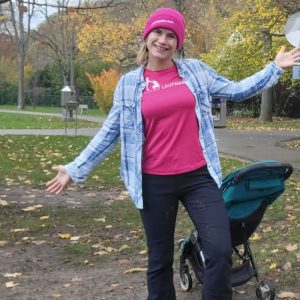
2. Outdoor activities: Walks, hikes, or bike rides are also great ways to stay fit and get some fresh air. See if you can find other people to join you. There are also special groups and clubs for mothers that meet regularly for outdoor exercise, such as LAUFMAMALAUF or Buggyfit, which offer programs for mothers in the park based on gentle running and circuit training.
3. Mother-baby fitness: The combination of points 1 and 2. Some providers specialize in fitness classes where mothers can bring their babies. These classes often include exercises that can be done together with the baby, such as exercises with a baby carrier or stroller. Rhythmic Kangatraining, as well as Yogilates with baby, or, as mentioned above, fitness in the park, certainly fall into this category.
4. Classic fitness classes, but for mothers: Many gyms and sports clubs offer special classes for mothers, suitable for postpartum recovery. These classes can include various activities such as aerobics, Zumba, body workouts, and even CrossFit (somewhat controversial). Make sure the instructor is certified. Often, childcare is also available.
5. Online mom fitness: There are now a multitude of courses and workouts available for home use. This can be a practical option for mothers who are unable to regularly attend in-person classes. The full spectrum of options from points 1 to 4 is available – meaning everything from postpartum recovery and yoga to classic fitness classes. Some are free, others require a subscription. However, it's crucial to pay close attention to your own body, as instructors cannot provide corrections, and certification isn't always readily apparent, unless the course is led by your midwife or similar professional.
6. Swimming: Swimming is an excellent way to stay fit while also being gentle on the body. Many swimming pools offer special courses for mothers and babies, where mothers can swim together with their children.
7. Skiing, skating, and ice skating: These sports are often surprisingly gentle on the pelvic floor. The steady movement promotes basic endurance. In Nordic skating, for example, the poles also engage the upper body, thus rounding out the workout for the arms, shoulders, and back.
Start after the postpartum period / end of the postpartum period
Once the postpartum period is over, the motivation to finally get going again often increases quickly. Getting out, moving, meeting people. I know this feeling so well personally, which is one of the reasons I ended up doing Pilates and LAUFMAMALAUF (Run Mom Run). First as a participant, and now for some time as a trainer.
Please make sure you wait at least 8 weeks before you start trying again "properly." It often takes a little longer after a C-section. The general rule is 12 weeks. If anything seems unusual to you, always talk to your doctor.
So basically:
- Get the green light from your midwife or gynecologist. For your own safety.
- It's best to avoid high-impact exercises for the first 10 to 12 months after giving birth. The pelvic floor simply needs time to learn how to cushion these movements again. This minimizes the risk of injury.
- In all types of training that involve the baby in the workout, it should be able to hold its head up well.
- Listen to your gut feeling and take breaks when you need them.
I hope you liked these quick tips.
Warmest regards,
Sonja from Basel / Birsfelden