
The postpartum period is the time after childbirth and lasts approximately 6-8 weeks; after a cesarean section, it lasts about 2 weeks longer. This phase offers you and your baby precious time for cuddling and bonding, but it also presents some challenges. Breastfeeding often needs to be learned. Afterpains and postpartum bleeding are normal. Your body needs time to recover. During this time, your body performs a true miracle: in addition to the involution of the uterus and other organs, breast milk production also begins. Your hormones are often in control, which is very energy-intensive and can sometimes affect your mood – which is completely normal.
The goal of the postpartum period:
Rest for mom: The mother should recover from childbirth and pregnancy and be cared for as well as possible.
Quality time for the new family: Shared peace, closeness and love are the focus – in these first weeks the family grows together.
Your Mom's Checklist for the Postpartum Period
1. Clothing and comfort
-
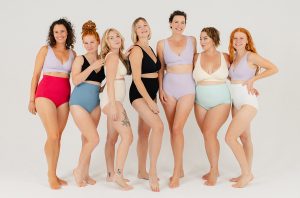
Comfortable clothing*: Make sure your clothing doesn't constrict your stomach or chest. You'll be spending a lot of time in bed or on the sofa, so your comfort is paramount. Functional underwear can provide relief, such as...
-
Belly soother*: Briefs that offer support for your stressed midsection after childbirth.
-
Belly-flattering leggings*: It provides support for your stomach and gives you a good feeling about your body.
-
Emperor's panties*: Your stomach is optimally supported by the high waistband, and a built-in pocket allows you to insert a cooling pad for your cesarean section scar.
-
A comfortable nursing bra or nursing top: It makes breastfeeding easier and offers comfort. Make sure the bra doesn't dig in and fits comfortably, like this one, for example. Bustier bustier*.
-
Change of clothes: Since some women sweat heavily after giving birth or have accidents while breastfeeding, it's nice to have enough spare clothes on hand.
2. Breastfeeding (or bottle feeding)n)
-
burp cloth and nursing pads: With a Burp cloth* Liquids can be wiped up quickly. Nursing pads* can in the bra* They are placed and catch breast milk, giving you a secure feeling in your body and protecting your clothes.
-
Nipple cream*: It soothes, protects and cares for your nipple. PS: Also good for dry lips.
-
Nipple shields: They make it easier to latch the baby on, especially if you have flat or sore nipples. Talk to your midwife and have her show you how to do it correctly.
-
Cabbage leaves: If needed, it's good for cooling the chest.
-
Nursing pillow: They help you find a relaxed position and relieve your back.
-
Small light: At night, for a cozy atmosphere during breastfeeding or feeding.

3. Hygiene and care
-
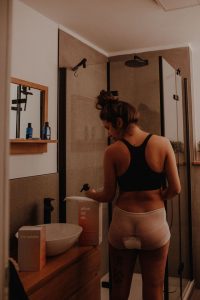
Postpartum pads and inserts: Tampons should not be used during the postpartum period to avoid the risk of infection. Ideally, Postnatal pads*, Postnatal pads* as well as Cotton period underwear*. These offer a healthy and sustainable alternative.
-
Another alternative could be handmade Postpartum pads* be made of soft cotton flannel. As a highly absorbent addition to the Postnatal pads* suitable Insoles*, which can be placed on top of the pad to guarantee you extra protection.
-
Cotton underwear: Breathable, stretchy materials are ideal, such as... Cotton period underwear*. It offers comfortable protection and a good wearing feel.
-
Bidet/Intimate Wash: One Intimate shower* It helps you with gentle intimate care after childbirth.
-
Deodorant without fragrances (also for your partner): For example, the Refreshing body spray*. This one is gentle and free of irritating ingredients.
-
Perfume-free wash gel for the intimate area: The best way is to wash with pH-neutral washing gel or simply with water.
4. Well-being and relaxation
-
Massage oil*: Apply oil as needed to areas of skin that are itchy, tight, or that can be massaged by a partner.
-
Dry shampoo: For those days when you haven't found time to wash your hair, the night was bad, or the baby is very clingy, then dry shampoo is a lifesaver.
-
Bathing during the postpartum period: Make sure not to bathe for too long and that (if the mother is breastfeeding) the nipples and areola do not come into contact with the bathwater, as this can cause inflammation from the postpartum bleeding.
-
Ice packs: They can be used after childbirth to relieve pain in cases of birth injuries.
-
Quark: A must-have in the refrigerator during the postpartum period. Quark has anti-inflammatory properties and can be used for many minor postpartum problems. For example, a quark compress can be used for milk coming in, engorgement, or a nail bed infection in the baby.
5. Nutrition
-
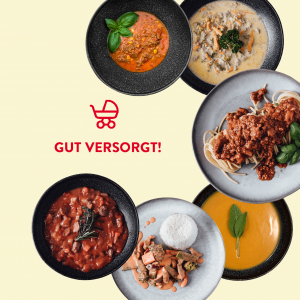
A healthy and balanced diet is essential during the postpartum period to replenish your energy reserves and support your body's recovery. It's advisable to prepare postpartum food before the birth. Dishes like chicken or vegetable broth, soups, and stews can be cooked in advance and frozen. These meals can then be thawed and enjoyed very quickly. It's best to stock up on your favorite dishes to stimulate your appetite. A very good alternative to preparing and cooking everything yourself is to have the following available: Choosing food online and having it conveniently delivered to your home, so that you can rest during the postpartum period. There are several providers who specialize in nutrient-rich postpartum meals, such as the company... Stöcken Estate*. These offer nutrient-rich and delicious Organic postpartum meals* which allow for significant time savings during the postpartum period. Organic vegetarian postpartum meals* There are also some.
-
Balanced diet: A balanced diet helps your body regenerate. For example, nut mixes, avocados, berries, or chia pudding are energy-rich snacks.
-
high-fiber foods, Vegetables, whole grain products and legumes help to get digestion back on track.
-
Protein-rich foods, Foods like dairy products, nuts, eggs and fish keep you feeling full for longer.
-
Drink plenty of fluids: Water with a squeeze of lemon or Herbal postpartum tea* are good options to balance fluid levels and promote milk production.
-
For breastfeeding mothers: For milk production, the body has an increased need for protein. You should also ensure an adequate intake of iron, calcium, folic acid, and iodine. Qualified nutritional advice for pregnancy and the postpartum period can be found at babywho.
With our overview, you are perfectly prepared to fully enjoy the postpartum period and focus entirely on yourself and your baby.
We wish you and your family all the best during this special time.

Image credits: Hofgut Stöcken, the weeks (Leah Kunz, Natalie Stanvczak), Kaiserschlüpfer and pexels
*Our advertising partnerships Affiliate links: Emperor's panties, the weeks, Stöcken Estate, diaper factory